Kazan: A Volcano Game Born From a School Project
A school map of the Ring of Fire became a volcano game, with a field guide to 1,215 volcanoes from the Smithsonian's Global Volcanism Program.
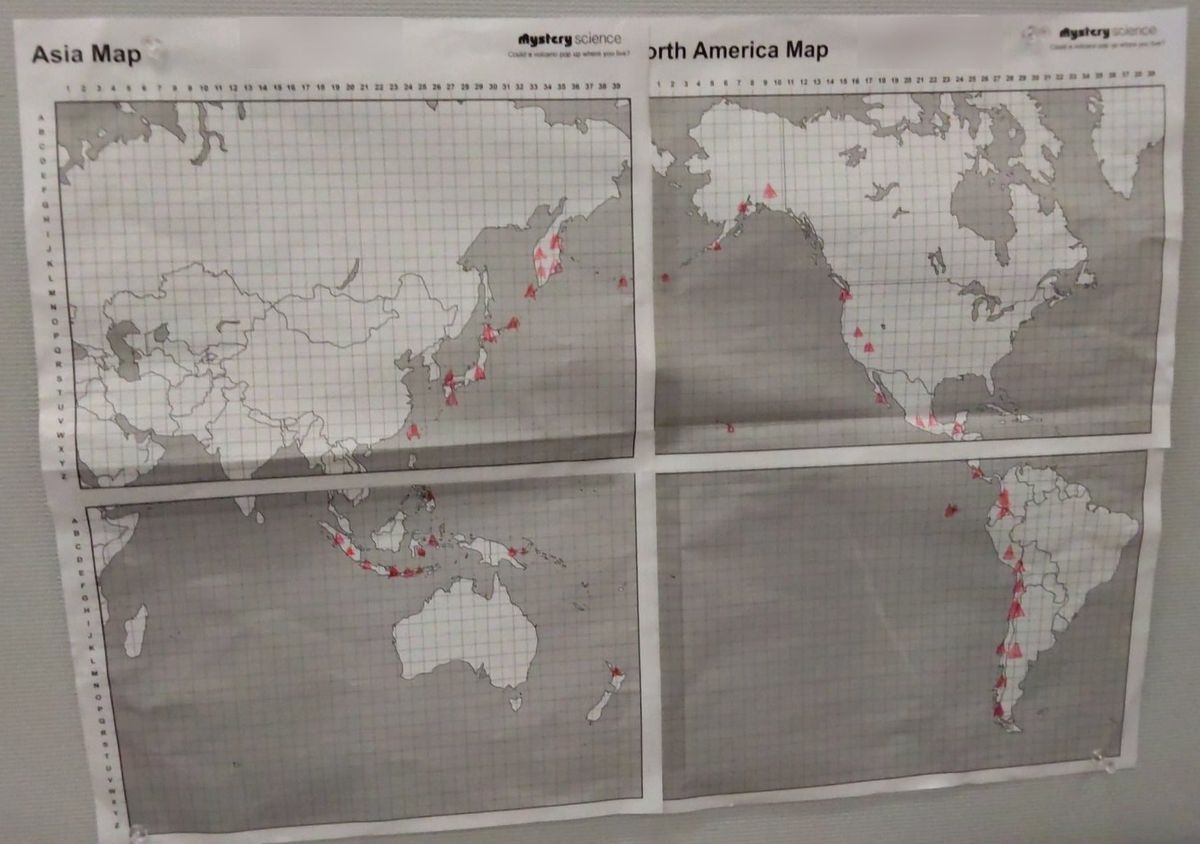
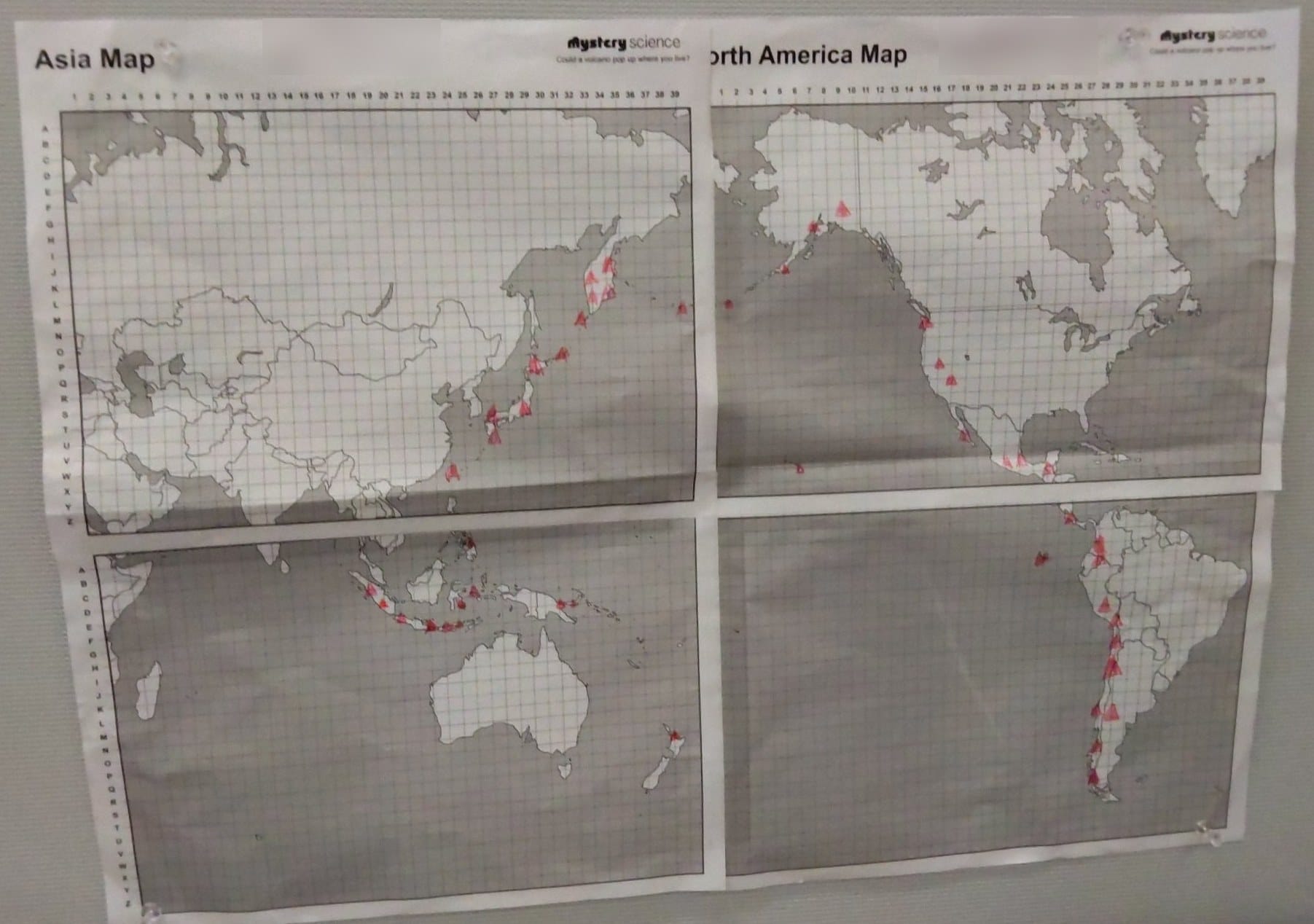
A coworker mentioned that her daughter had a school project: map the volcanoes of the Ring of Fire. It's a great assignment. Put enough dots on a map and the Pacific suddenly draws itself, a horseshoe of fire from the Andes up through the Cascades and Alaska, across to Kamchatka and Japan, and down through Indonesia to New Zealand.
It got me thinking. What if finding those volcanoes were a game? And what if the game were also a door into learning about each one?
So I built one. It's called Kazan, from the Japanese 火山: ka for fire, zan for mountain. Fire mountain.
How it works
Pick a map: Ring of Fire or World. You get ten volcanoes, one at a time, on a blank map with only country outlines. You have twelve seconds to click where you think each one is. The game shows you the real spot, how many miles you missed by, and when that volcano last erupted.
The Ring of Fire map covers 585 volcanoes along the Pacific's edges. The World map adds the rest, from Iceland and Italy to the East African Rift and Antarctica. Better-known volcanoes come up more often, so you learn Fuji, Pinatubo and Mount St. Helens before you meet the obscure ones.
A field guide built in
The game is only the jumping-off point. Switch to the Field guide and you can explore all 1,215 volcanoes that have been active in the last 12,000 years. Pick a continent, then a country, or just click a red dot on the map. Each volcano gets a photo, its type, summit height, when it last erupted, how many eruptions are on record, its largest eruption, and a short geological history.
All of it comes from the Smithsonian Institution's Global Volcanism Program and its Volcanoes of the World database. For more than fifty years the program has tracked every volcano on Earth known to have erupted since the last Ice Age. Its site is a treasure, and each entry in Kazan links straight to that volcano's page there, so you can keep going: eruption histories, weekly activity reports, and hundreds of photographs.
After a game, tap any volcano you missed to read about it. That's the idea: guess, miss, and get curious about why that mountain is where it is.
Play
On a phone, or want more room? Play Kazan full screen.
Start with the Ring of Fire, then try the World. And if you have a student working on a volcano project of their own, send it their way. The code is free and open on GitHub for anyone who wants to build on it.